


The Role of Texture in Creating a Healing Home

How Thoughtful Textural Choices Enhance Calm and Well-being in Interior Spaces
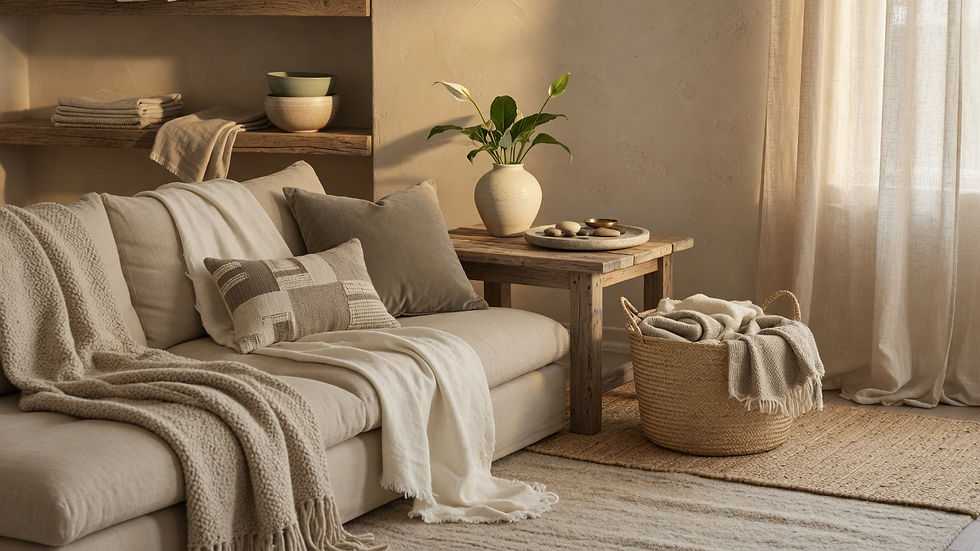
A comfortable and soothing home environment is more important than ever in today’s busy and chaotic world. While color, lighting and furniture layout are often top of mind for homeowners seeking comfort, texture plays an equally vital, yet sometimes overlooked, role
in shaping interiors that heal and restore. At Silver Needle & Thread (sntHOME) in Jacksonville, FL, we understand the transformative power that thoughtfully-chosen textures can have on your home and well-being.
Understanding Texture in Interior Design
Texture refers to the surface quality of materials—how things feel (tactile texture) or appear to feel (visual texture). Incorporating a range of textures ensures that a room does not fall flat, but rather, feels layered and inviting. Common textural elements in home design include fabrics (linen, velvet, wool), hard surfaces (wood, stone, metal) and finishes (matte, glossy, rough, smooth).
Why Texture Matters for Emotional Wellness
Scientific research confirms what many homeowners feel intuitively: our physical environments impact our mood, stress levels and overall health. Texture influences these outcomes in several ways:
Calm and Comfort: Soft, plush textures communicate safety and relaxation, reducing anxiety and promoting peace.
Connection to Nature: Rougher, organic surfaces such as wood or natural fibers mimic outdoor environments, grounding us and providing a sense of balance.
Sensory Stimulation: A rich textural palette invites touch and exploration, which can calm the nervous system add stillness and heighten mindfulness.
By intentionally layering textures, we move beyond visual aesthetics and create spaces that truly nurture body and soul.
Practical Ways to Add Healing Textures to Your Home
Here are expert-backed strategies to make texture a foundation of your healing interior—no matter your budget or square footage.
1. Layer Soft Textiles
Textiles offer some of the quickest and most affordable ways to softness a room:
Throw blankets & cushions: Opt for knitted throws, plush cotton or silk velvet cushions, or linen for immediate coziness, but stay away from the synthetic and polyester fibers, they vibrate below your body's vibrational frequency and can bring you down or make you sick.
Upholstery: Upgrade chairs or sofas with fabric covers in linen, cotton, or chenille for both look and feel.
Rugs: Natural fiber rugs (jute, sisal, wool) ground your space visually while comforting bare feet.

2. Embrace Natural Elements
Bringing nature indoors not only adds textural richness but boosts healing through biophilic design principles:
Wood: Incorporate reclaimed wood shelves, accent walls or furniture.
Stone: Marble trivets, soapstone sculptures or pebble bathroom mats evoke spa-like serenity.
Plants: While not a texture per se, living greenery introduces vibrant surface variations and visual depth.
3. Mix Smooth and Rough Surfaces
Achieving a harmony of smooth and rough textures ensures that no room feels too “flat” or too chaotic. For example:
Pair glass vases with hand-thrown ceramics
Contrast metal lamp bases with soft lampshades
Set chunky woven baskets next to sleek bookcases
4. Pay Attention to Window Treatments
Curtains and drapes do more than filter sunlight—they soften edges and reduce noise, contributing to a more tranquil and textured atmosphere. Always go for natural fibers and layer sheers with heavier drapes for maximum tactile interest.
5. Personalize with Handcrafted Pieces
Handmade items embody authenticity and warmth. Quilt throws, hand-loomed rugs, embroidered pillows or artisanal pottery not only highlight heritage and craftsmanship but introduce unique textures that mass-produced decor often lacks.
Texture and the Five Senses
Texture isn’t just about touch. A healing home considers how textures play into all five senses:
Sight: Visual diversity soothes visual fatigue and adds depth.
Touch: Soft and inviting materials encourage relaxation and comfort.
Sound: Fabric and soft surfaces absorb noise, creating a quieter, more serene space. In case you didn't know noise is toxic and it does make you sick.
Smell: Natural materials like unsealed wood, wool or dried lavender emit subtle, calming scents.
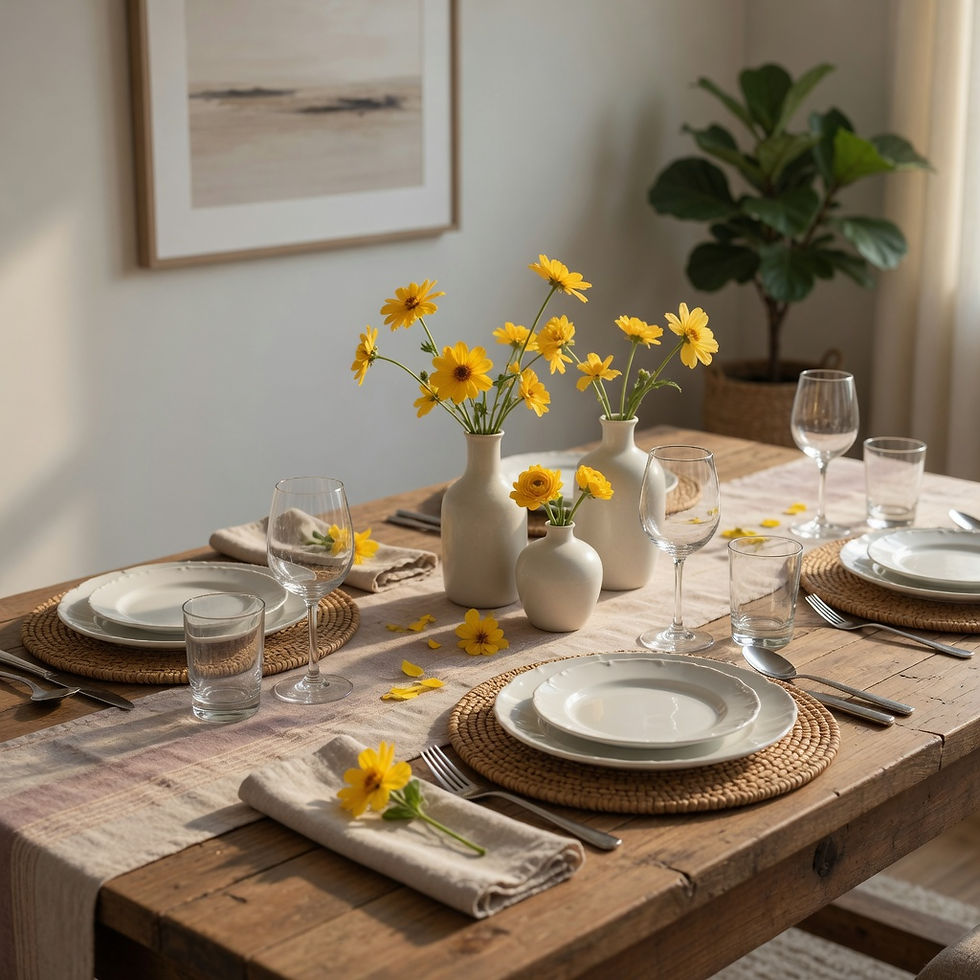
Taste: Even dining textures—from rattan placemats to ceramic serve ware—can enhance the pleasure of eating and gathering.
The Psychological Impact of Texture
Choosing the right textures can influence psychological healing. For example:
Velvet or silk: These high-touch, luxurious fabrics can add a pampering, nurturing quality to bedrooms and wellness spaces.
Exposed brick or stone: Offers a sense of permanence and connection to the earth, which can be grounding during stressful times.
Handmade textiles: These story-rich materials can evoke memories and foster a sense of belonging or nostalgia—important aspects of emotional healing.
At Silver Needle & Thread HOME, we specialize in helping Jacksonville homeowners blend comfort, style and wellness. Our tailored consultation services can help you choose furnishings and finishes that harmonize perfectly with your needs and preferences—including that all-important element: texture.
Our team sources only premium-quality textiles and decor elements, ensuring a lasting sensory impact in every room we touch. We take pride in crafting spaces that support healing, relaxation and a sense of sanctuary—for you and your loved ones.
Start Your Textural Transformation Today
Ready to turn your home into a true healing retreat? Visit our website to explore our services and discover how professional design expertise can reveal the hidden potential of your brings you closer to comfort, relaxation and holistic well-being.space. Let us help you create a sanctuary where every touch—literal and metaphorical—


Comments